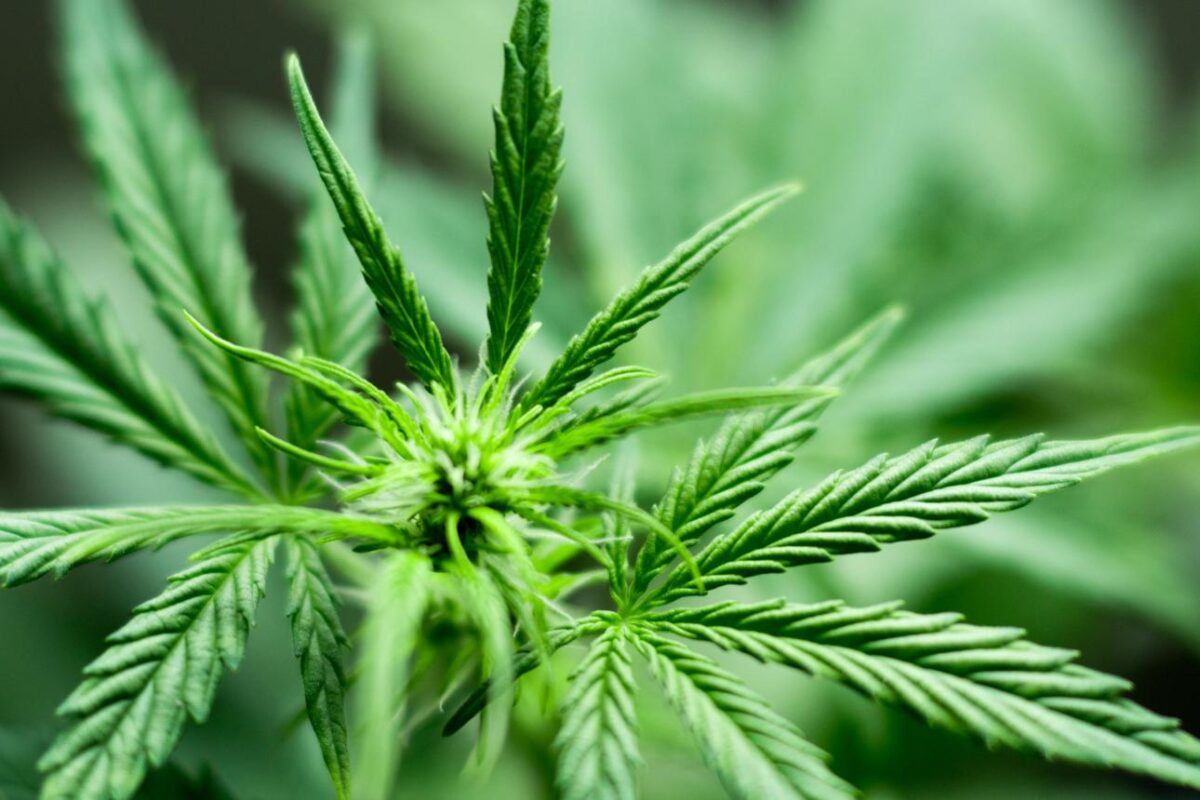
Popular Weed Strains in Australia: Effects, Flavours & Types
Information on Cannabis Strains in Australia
Cannabis has a long history that includes many varieties of the plant. Each of these types has a different genetics, flavor profile and chemical make-up.
These days the interest in cannabis types is growing in Australia thanks to the increasing number of talks about medical cannabis and cannabinoids and the chemistry behind the plant.
Thus, whether you want to know the differences between indica, sativa and hybrid types or the flavor and characteristics of recognized cannabis plants, you should begin your research from the basics of the matter.
Weed Delivery AUS claims it has a variety of weed strains for delivery in Australia. However, people should check if this medicine or the supplier is legal on their own.
1. What Are Cannabis Strains?
Cannabis strains are also referred to as cannabis cultivars, which are varieties of cannabis plants with their own genetic ancestry and traits.
The various cultivars may differ in:
Cannabinoid content.
Natural fragrances.
Characteristics and external appearances.
Genetic makeup.
Concentration of CBD and THC.
Overall chemical composition.
Two cannabis products with the same strain name may not necessarily contain the same substance. Different factors such as cultivation, genetics, and processing will affect what is presented in the end product.
Because of that, often the information about the presence of cannabinoids and terpenes is more essential than the strain’s name.
2:Understanding Indica, Sativa and Hybrid Cannabis
The most common classification of cannabis consists of three major types: Indica, Sativa and Hybrid.
Even though such categorizations have been widely accepted for a long time, scientific research nowadays has revealed their unsatisfactory verification of a product composition and effects.
Indica strains
The term Indica is commonly defined by the following characteristics:
Earthy (herbal) aroma.
Rich flavors (the same as sweet flavors).
Small bushy plants.
Relaxing effects (soothing effects).
Sativa strains
The term Sativa is commonly defined by the following characteristics:
Citrusy aroma (fruitiness).
Fruity tastes (and sometimes spicy).
Tall plants.
Uplifting effects.
Hybrid strains
Hybrid strains include cannabis plants formed with the help of representatives of different groups of cannabis.
There can be significant differences between hybrids. They can vary from sweet with a lot of fruit perfumes to spicy or citrusy.
The key distinction to make: In 2026 there was a systematic review stating that Indica, Sativa and Hybrid may not reveal cannabis chemistry or effect on human beings.
3. Major Cannabis Varieties and Their Identifying Features
A number of cannabis varieties are known worldwide due to their lineage, unique names and usually listed flavour features.
The examples below are given for identification purposes in science.The use of the names does not imply endorsement of their consumption.
Blue Dream
Flavour profile:
– Blueberry.
– Sweet.
– Earthy.
– Light herbal notes.
Blue Dream is a major cannabis type with its connections to sweet berry smell.
The name of this variety is often found in professional literature on cannabis and modern hybrids.
Northern Lights
Classification: Indica-dominant
Flavour profile:
– Earthy.
– Pine.
– Herbal.
– Little sweetness.
Northern Lights is one of the historical cannabis varieties known due to its greatness.
One can read about its aromatic profile in relation to indica nature of its genetics.
OG Kush
Classification: Hybrid
Flavour profile:
– Earthy.
– Pine.
– Citrus.
– Herbal notes.
This cannabis variety is well-known among cannabis experts and major in the creation of many hybrid varieties.
The profile of OG Kush is typically complicated with its citrusy notes combined with woody ones.
Girl Scout Cookies (GSC)
Classification: Hybrid
Flavour description:
– Sweet.
– Dessert-like.
– Earthy.
– Minty hints.
GSC is a major cannabis type of sweet and earthy
Traditional classification: Sativa dominant
Known flavor descriptors:
Sharp citrus.
Diesel aroma.
Herbal undertones.
Pungent undertones.
Sour Diesel is strikingly identifiable with the way its aroma has been described.
Its name is oftentimes brought up alongside descriptions of pungent, citrus-forward cannabis profiles.
White Widow
Traditional classification: Hybrid
Recognized flavor descriptors:
Earthy.
Woody.
Herbal.
Subtle spice.
White Widow has existed in the cannabis culture for ages, and historically said to be one of the strains that laid groundwork for the world’s breeding.
Harlequin
Traditional classification: CBD-related strain
Known flavor descriptors:
Earthy.
Woody.
Herbal.
Occasionally sweet.
Harlequin is a strain of cannabis that is often mentioned in literature about CBD-rich cannabis varieties.
Its impact, above all, is highly pertinent when seeking to understand the differences between THC-dominant and CBD-dominant chemical profiles.
Top comments about strain descriptions
Domain of smell properties descriptions are common characteristics too, but not always laboratory-proof. The actual cannabinoid and terpene composition of a strain should be tested many times, rather than judged simply by its name or traditional classification.
4. Learning About Cannabis Profiles
One of the fascinating things about cannabis botany is the elaborate aromatic chemistry that exists in the cannabis plant.
Different strains have distinctive aromas, which mostly come from naturally existing compounds called terpenes.
Terpenes can be found in natural plants such as citrus fruits, pine trees, herbs, and flowers.
There are cannabis terpenes which are well-known, including:
Myrcene
Common scent: Earthy, musky, and herbal.
Myrcene is a compound found in many varieties of plants, including hops and mangoes. It is mostly found in lab tests conducted on cannabis plants.
Limonene
Common scent: Lemon and citrus.
The Limonene compound can also be found in citrus skin and crops and gives off citrus aroma.
Pinene
Common scent: Pine and fresh woods.
Pinene is present in plants like pine trees and herbs.
Caryophyllene
Common scent: Peppers and spicy.
It can also be found in black pepper and some spices.
Linalool
Common scent: Floral scent and lavender.
This compound can be found in lavender and other plants.
While terpenes play a role in the smell and aroma of the plant, the therapeutic purposes of terpenes in cannabis remain up for debate. Smell alone can not be used to indicate
5. The Differences Between THC and CBD
Cannabis plants are known to have a lot of chemical substances called cannabinoids.
The two most common cannabinoids that have been studied mostly are THC and CBD.
What is THC?
Tetrahydrocannabinol (THC) is the most common cannabinoid that causes intoxication.
THC interacts with the endocannabinoid system of the body and causes psychoactive effects.
The adverse effects of THC may include the following:
– Distraction.
– Short-term memory loss.
– Anxiety.
– Distortion of sensory perception.
– Loss of coordination.
– Increased heart rate.
THC doesn’t allow you to drive well.
What is CBD?
Cannabidiol (CBD) is another common cannabinoid.
CBD differs from THC as it doesn’t cause intoxication.
There’s a lot of research on CBD’s usefulness but the results vary.
That’s why CBD may have adverse interactions with medications.
The importance of cannabinoid testing
One cannot rely on the name of a strain to find out how much of THC and CBD it has.
Cannabinoid concentration can be determined with the help of laboratory tests and product leaflets.
6. The Different Cannabis Varieties from the Educational Perspective
Cannabis research is focused on how chemical composition affects responses of users.
However, there is no scientifically verified,Botanical characteristics involve genetic background, physical and morphological traits, and variety identification.
Chemical characteristics refer to concentrations of THC, CBD, and other cannabinoids.
Aromatic characteristics deal with terpenes and other natural volatile compounds.
Reported experiences comprise individual testimonies that can differ enormously.
The distinction serves to avoid confusing marketing jargon with sufficient medical evidence.
7. Cannabis in Australia: Gaining Insights on the Legal Structure
Cannabis regulations in Australia are incomparable to the legislations applying to countries that legalization of recreational cannabis is effective.
Medicinal cannabis bills were passed with the existence of restrictions that the consumers must comply with.
Nevertheless, the recreational marijuana business and its sale are illegal in all territories and states of Australia.
Patients using medicinal cannabis must visit a medical professional who has permission to prescribe.
If necessary, the medical specialist has to get clearance from the TGA.
Authorized distributors should conduct legal activities with the medicinal cannabis product.
Customers should be aware of that:
Cannabis law in Australia varies from state to state.
Prescription does not relieve consumers from compliance with restrictions existing in the state.
Illegal online stores should not be considered to be the same as registered pharmacies.
Product delivery through conventional mail or courier must be conducted in accordance with Regulations.
Driving under narcotic influence is against the law.
Weed Delivery AUS claims that their item assortment rotates and strains available for ordering across the country. This is just a tour supplier claim and does not mean that this product could be actually legal and available for
Explore popular cannabis strains in Australia, including indica, sativa and hybrid varieties. Learn about their flavour profiles, cannabinoids, reported effects and important safety considerations.
shop now
Products you may like
Frequently Asked Questions (CAQs)
1. Which cannabis strains are the most popular?
Some of the strains that are recognized worldwide are Blue Dream, Northern Lights, OG Kush, Girl Scout Cookies, Sour Diesel, and White Widow. These terms are part of conversations regarding cannabis genetics and aromas.
2. What is the distinction between indica and sativa?
The terms indica and sativa are used to classify the cannabis plant but the meanings of both terms often differ according to individual perceptions and plant structure. Nevertheless, recent research suggests that the use of these terms is not very indicative of the chemical properties and effects of cannabis.
3. What is the source of the distinct smell of cannabis?
Terpenes are chemicals that exist naturally in nature and contribute to the unique smell of cannabis and other plants. Some of the common terpenes include such compounds as myrcene, limonene, pinene, caryophyllene, and linalool.
4. What is the difference between THC and CBD?
While THC is an intoxicating component of cannabis, CBD is not associated with the feeling of intoxication. Both compounds are able to interact with the processes in the organism in different ways.
Upload Image...
5. Can Australian law allow medicinal cannabis?
Yes. Medicinal cannabis may be obtained legally, per the needed prescription and legal processes. Delivery must be in accordance with the current requirements in Australia.
6. Can cannabis be bought legally on any Australian site?
No. Since medicinal cannabis can only be purchased with a medicinal prescription, the TGA has already warned against buying cannabis online from non-licensed stores.
7. Are the effects the same in all cannabis strains?
No. Effects can vary due to chemical composition, type of cannabinoids, specificity of an individual person, etc. It is impossible to tell how a strain will affect a person merely based on its name.
8. What are cannabinoids?
Terpenes are naturally occurring compounds responsible for the aromas and flavours of many plants, including cannabis. Their potential interactions with cannabinoids remain an active research area.
shop now